
INCIDENT READINESS PLANNING: ARCHITECTING MUSCLE MEMORY FOR CYBER CRISES
Introduction:Transitioning from Chaos to Orchestrated Resilience
In the current threat landscape, the question is no longer if an organization will face a significant cyber incident, but when. Most organizations fall into the trap of believing that having a backup or a basic firewall constitutes a plan. However, under the high-pressure environment of a live ransomware attack or data breach, technical solutions often fail without a clear human-led orchestration. Incident Readiness Planning is the strategic process of building the muscle memory required to contain, investigate, and recover from a crisis without descending into operational chaos.
What This Service Means in Modern SOC
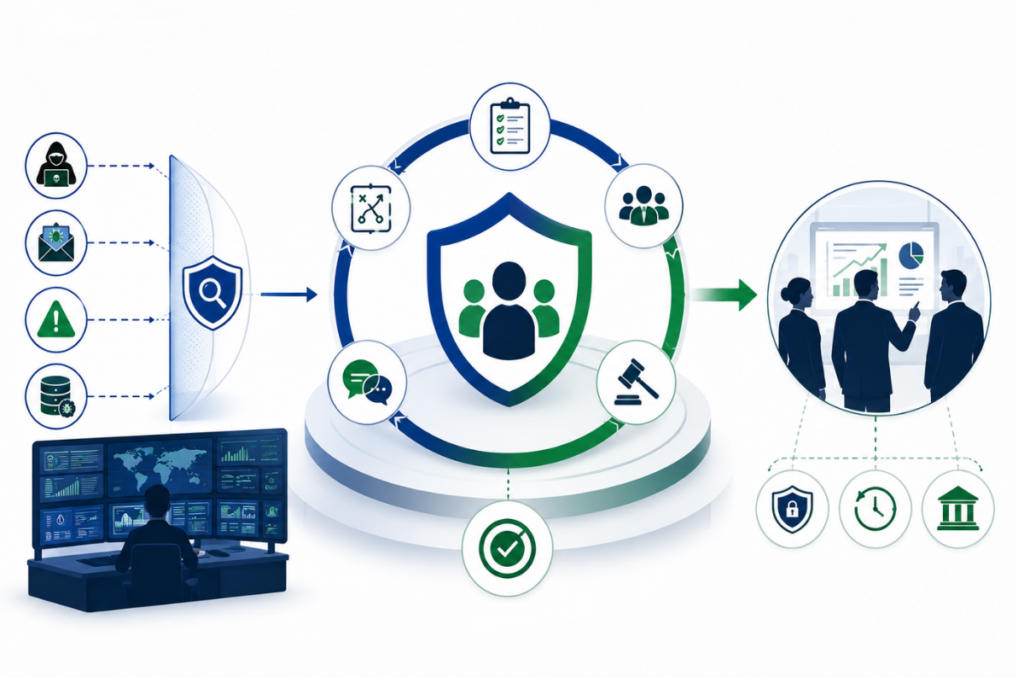
Within the VirtualCISO framework, Incident Readiness Planning represents Tactical Maturity. It is the bridge between the technical SOC operations and executive leadership. Modern readiness means moving beyond a dusty PDF titled “IR Plan” to a living ecosystem of battle-tested playbooks, communication matrices, and executive-level decision frameworks. It ensures that the technical findings from managed detection and response capabilities are immediately translated into business-aligned containment actions, minimizing downtime and legal liability.
Key Components / Capabilities
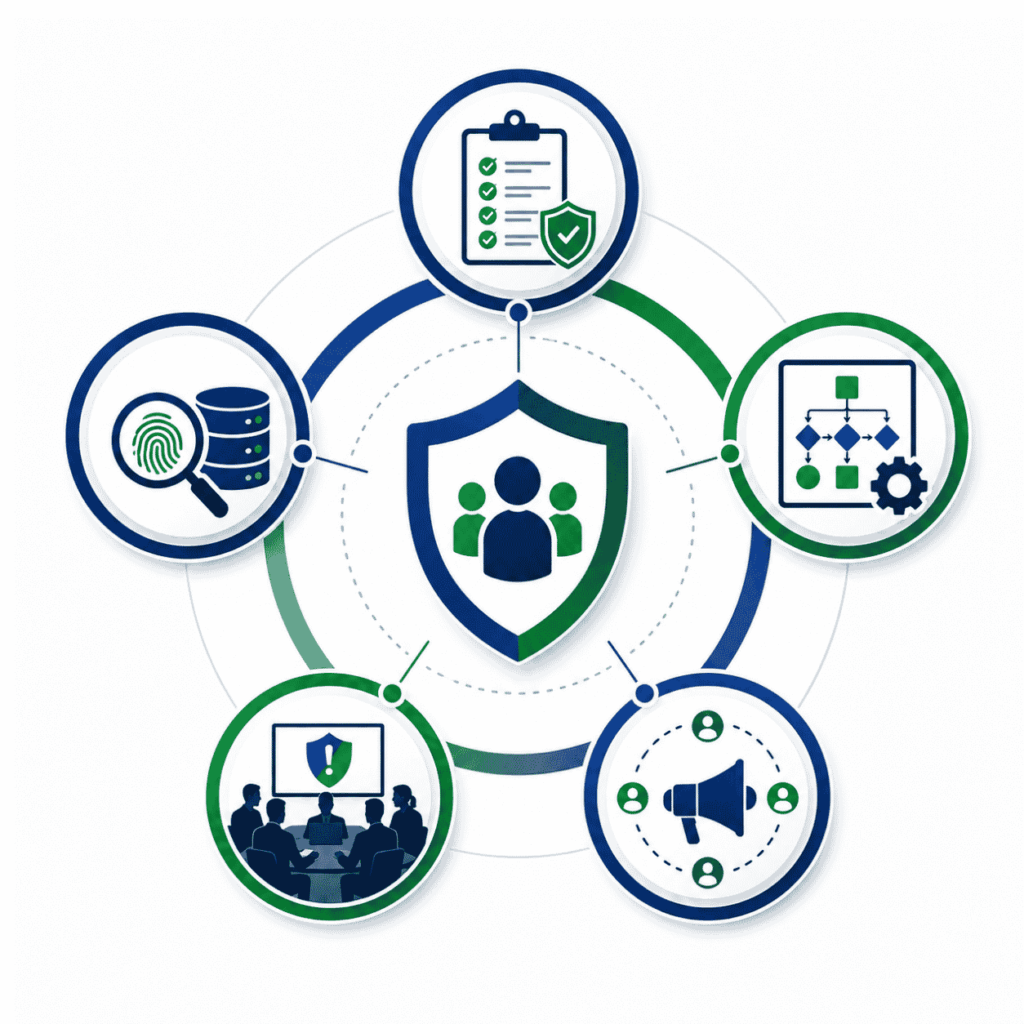
A high-maturity incident readiness capability is built upon five foundational pillars:
- Cyber Incident Response Plan (CIRP): A high-level governing document that defines roles, responsibilities, escalation paths, and legal notification requirements.
- Threat-Specific Playbooks: Granular, technical workflows for specific scenarios such as Ransomware, Cloud Account Takeover, Business Email Compromise (BEC), and Insider Threats.
- Executive Tabletop Exercises (TTX): Facilitated simulations that force senior leadership (C-Suite, Legal, HR) to practice making high-stakes decisions during a cyber crisis.
- Crisis Communication Matrix: Pre-defined templates and protocols for communicating with regulators, shareholders, customers, and the media.
- Forensic Readiness Audit: Ensuring that logging and telemetry are configured correctly to support a scientific investigation during a breach
How It Works (Process-Level Explanation)
The Incident Readiness lifecycle follows a continuous, five-phase advisory loop:
Phase 1:
Readiness Assessment
Auditing existing plans, toolsets, and human capabilities to identify gaps in response speed and forensic visibility.
Phase 2
Framework & Playbook Design
Engineering custom response logic and escalation workflows tailored to the organization’s unique security architecture.
Phase 3
Stakeholder Training:
Conducting workshops with technical teams and business leaders to socialize the new response protocols.
Phase 4
Simulation & Testing:
Executing real-world tabletop exercises or “Purple Team” simulations to stress-test the plan under realistic conditions.
Phase 5
Iterative Optimization
Updating the readiness framework based on simulation outcomes, new threat intelligence, and changes in local UAE regulatory standards.
Business Value & Use Cases
Strategic readiness planning delivers quantifiable value during and after an incident:
Drastic Reduction in Downtime
Closing the gap between detection and containment, often saving millions in operational productivity.
Lowered Legal and Regulatory Risk
Proving to regulators (NESA, ISR, GDPR) that the organization exercised “due diligence” through structured preparation
Insurance Premium Optimization:
Many cyber insurance providers now require proof of active incident readiness and tabletop testing to qualify for lower premiums.
Brand Integrity Preservation:
Managing the external narrative with speed and transparency, preventing a security event from becoming a reputational catastrophe.
How to Evaluate Vendors / Solutions
When selecting an advisory partner for Incident Readiness, CISOs should evaluate:
Real-World Simulation Experience
Has the partner actually led high-stakes incident responses, or do they just provide templates?
Executive Presence
Can the advisor lead a boardroom discussion with the CEO and General Counsel as effectively as a technical triage with the SOC?
Local UAE Context
Do they understand the specific notification requirements for UAE-based entities under NESA and the Data Protection Law?
Retainer Flexibility
Does their model allow proactive hours to be used for planning and training rather than just reactive "firefighting"?
Actionability
Are their reports filled with "fluff," or do they provide a granular, project-by-project execution plan?
Common Challenges & Pitfalls
Stale Playbooks:
Designing a plan and never updating it as the infrastructure moves to the cloud or new threats emerge.

Ignoring the "Soft" Side:
Failing to involve Legal, HR, and PR teams in the planning process

No Executive Involvement:
Treating readiness as a “Technical IT problem,” leading to decision-making paralysis at the C-suite level during a real crisis.

The Template Trap
Using generic, one-size-fits-all IR plans that don’t reflect the organization’s actual technical stack or business hierarchy.
Maturity Model / Best Practices
01
Level 1 (Ad-Hoc)
No formal plan; response relies on the heroics of individual IT staff; no forensic tools in place.
02
Level 2 (Developing)
A basic IR plan exists but has not been tested; some technical playbooks are in place; partner identified but not on retainer.
03
Level 3 (Proactive)
CIRP is fully documented and socialized; annual tabletop exercises are conducted; forensic logging is enabled across critical assets.
04
Level 4 (Resilient)
Readiness is a continuous cycle; playbooks are integrated with security automation (SOAR); crisis response is baked into the corporate culture.
How It Fits Into
Broader SOC Strategy
Readiness Planning is the “Muscle” of the SOC. It provides the triggers and workflows that turn the “Signals” from Detection Engineering into “Actions” in Incident Response. Without readiness planning, even the best detection system merely gives the organization a front-row seat to its own destruction.
Advisory Note
VirtualCISO acts as your strategic readiness coach. We do not provide the “Boots on the Ground” IR team; instead, we provide the vCISO expertise to design your plans, lead your tabletops, and ensure your organization is psychologically and technically prepared for its worst-day scenario. We turn panic into a plan.
We ensure your strategy belongs to you, not your vendors.
Conclusion: The Future of Strategic Defense
The future of readiness is “Automated & Adaptive.” As AI-driven attacks accelerate the “time to compromise,” manual response plans will give way to dynamic, machine-speed orchestration. Organizations that invest in building human muscle memory and automated playbooks today will be the ones that emerge from a cyber crisis stronger than they were before.